
QuantPro Global Private Limited has pioneered in creating modern, integrated learning environments that allow K-12 students to move beyond textbooks through hands-on technology education. Often implemented as STEM, ATAL Tinkering Lab, AI, Robotics, ICT innovation labs, these setups replace traditional rote learning with project-based experimentation in subjects like coding, automation, Internet of Things (IoT), Drones, Mechatronics, Electronics and much more
QuantPro Global establish these tech learning hubs through turn-key solution providers that supply hardware & software packages, structured curricula, and critical training for teachers.
Core Technology Components-
- A complete school techno-lab features distinct technology layers tailored to different age brackets:
- Robotics & Automation Kits: Mechanical building blocks, servo motors, and controllers that teach structural engineering and kinetics.
- Microcontrollers & IoT Electronics: Single-board computers and development kits—such as Arduino Uno or Raspberry Pi—integrated with environmental sensors.
- AI & Software Platforms: Interactive software allowing students to program using block-based drag-and-drop code or advanced programming languages like Python and C++.
- AV & Interactive Infrastructure: Smart panels and 4K interactive hardware to act as central media anchors for presenting code, digital simulations, and 3D mockups.
We focus on advanced emerging environments, including AR/VR lab setups, Robotics Lab, Drone Labs and custom CBSE, ICSE, IB, and State Boards compatible composite skill labs.
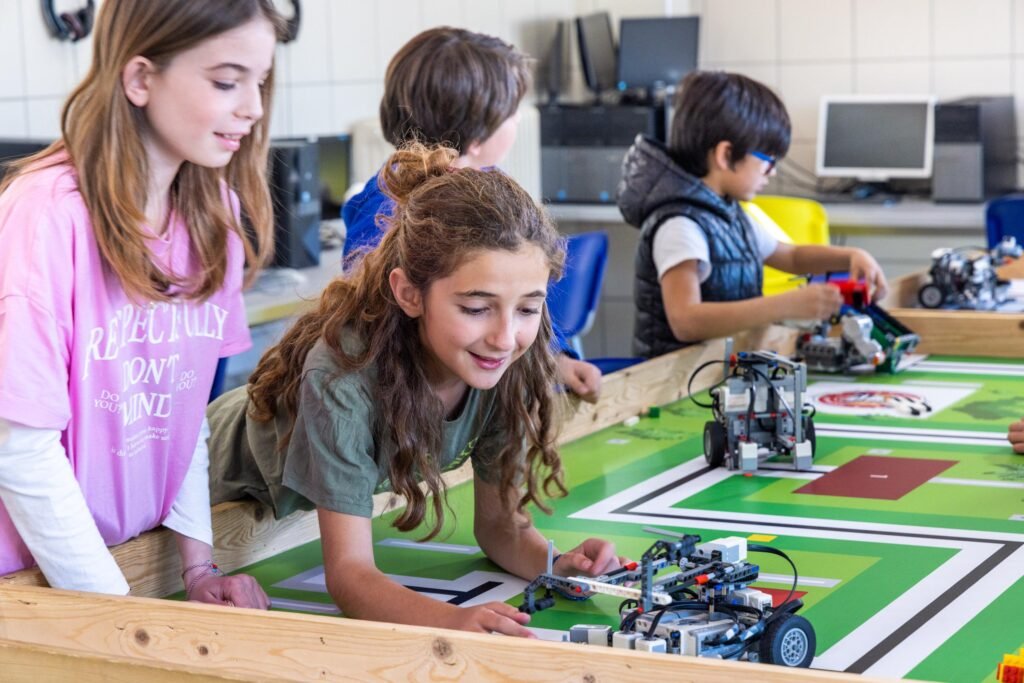
Robotics Lab
Overview
A Robotics Lab enables students to design, build, and program robots using motors, sensors, controllers, and coding platforms. It introduces engineering concepts through hands-on activities and problem-solving challenges.
Learning Outcomes
- Logical thinking and problem-solving
- Basic programming skills
- Mechanical design concepts
- Teamwork and innovation
- STEM project development
Activities
- Line-following robots
- Obstacle-avoiding robots
- Smart robotic arms
- AI-enabled robots
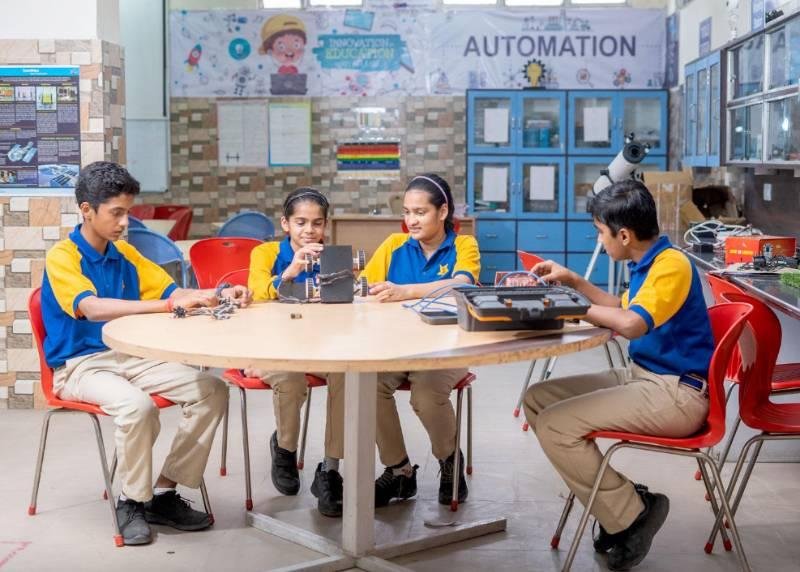
Automation Lab
Overview
An Automation Lab introduces students to how machines and systems operate automatically using sensors, controllers, and actuators. Students learn the fundamentals behind smart homes, smart factories, and intelligent systems.
Learning Outcomes
- Understanding automated systems
- Sensor integration
- Control logic
- Process sequencing
- Future manufacturing concepts
Activities
- Smart lighting systems
- Automated gates
- Traffic control models
- Conveyor automation projects
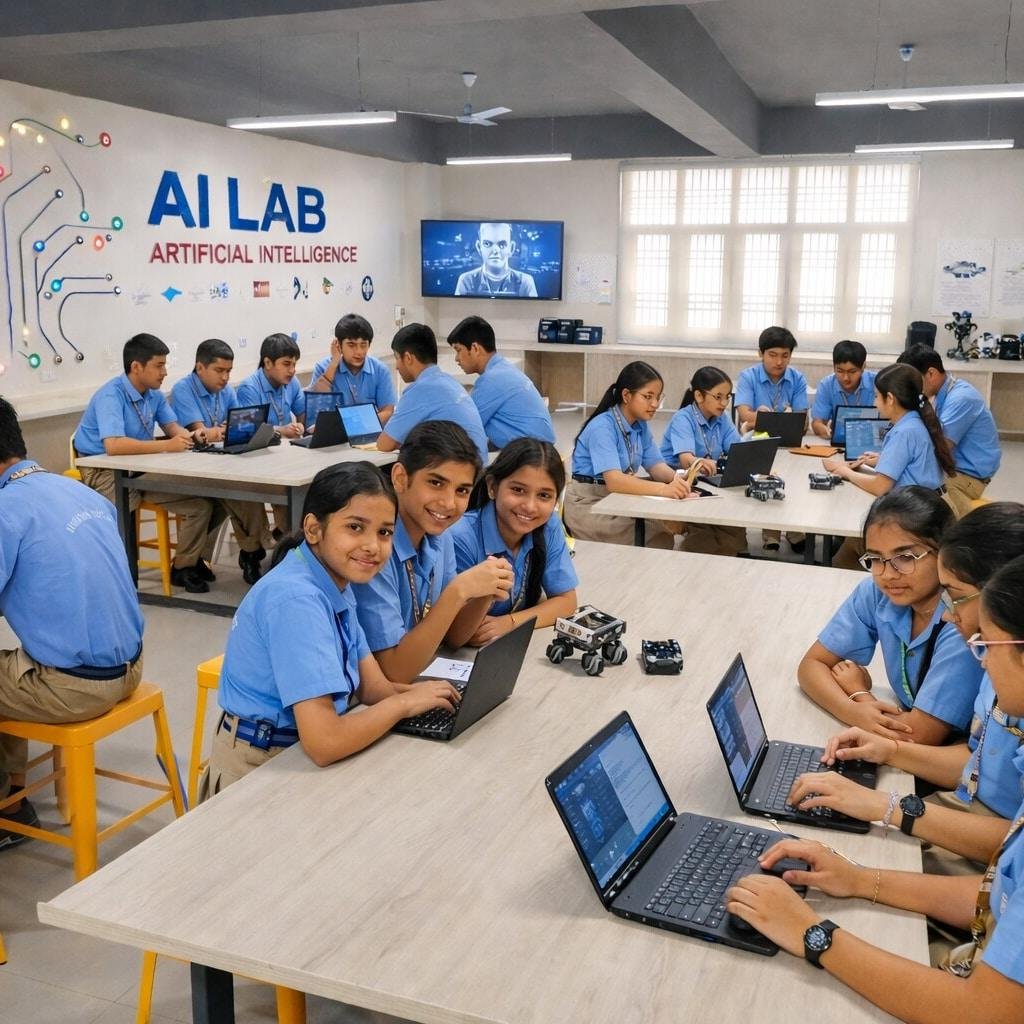
AI & Coding Lab
Overview
The AI & Coding Lab introduces students to programming, artificial intelligence, machine learning concepts, and computational thinking through age-appropriate projects.
Learning Outcomes
- Coding proficiency
- Computational thinking
- AI awareness
- Data-driven problem solving
- Creativity and innovation
Activities
- Game development
- AI chatbots
- Machine learning demonstrations
- Python programming projects
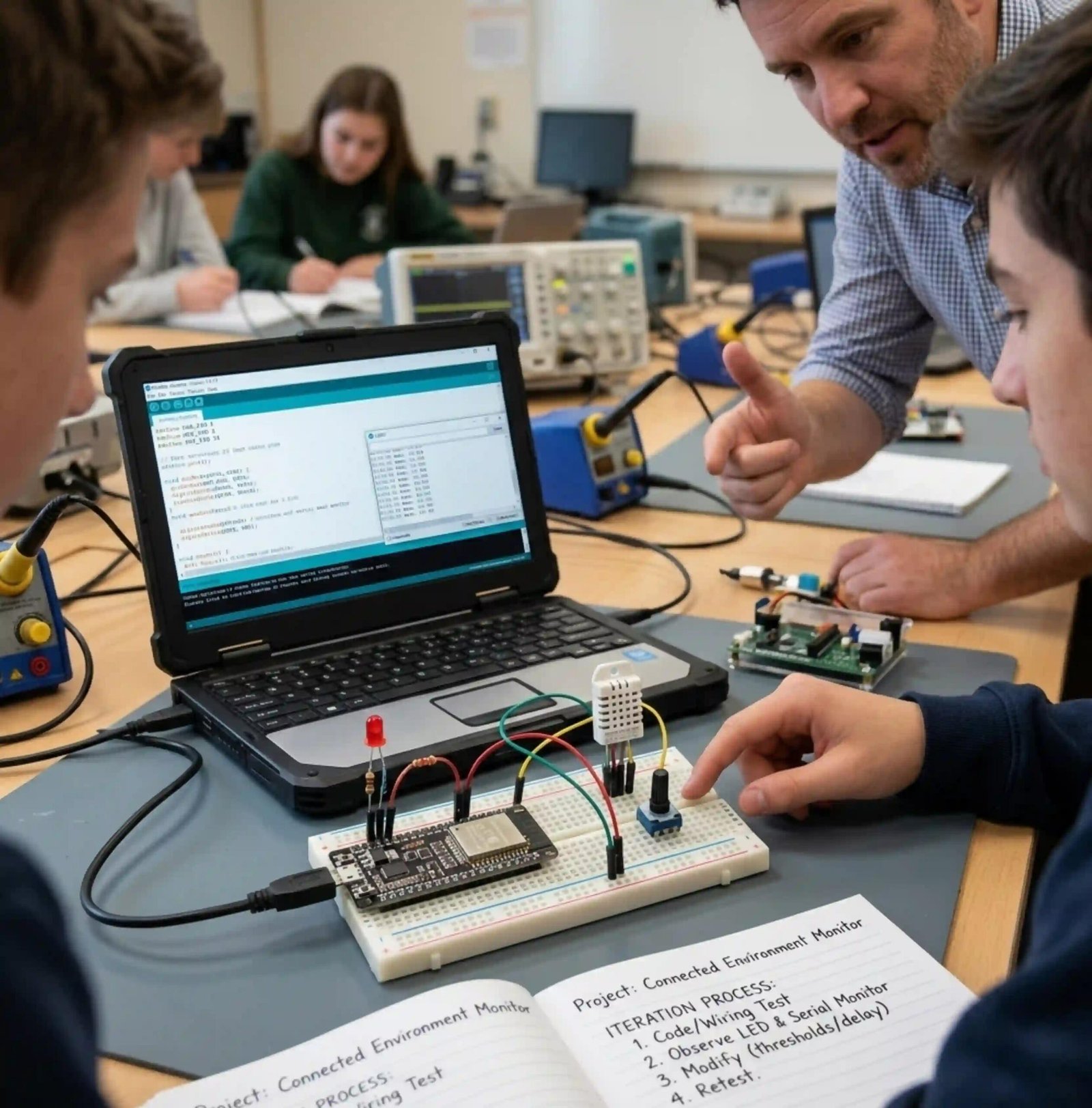
IOT Sensor Lab
Overview
The IoT Sensor Lab teaches students how connected devices collect, share, and analyze data using sensors, microcontrollers, and cloud technologies.
Learning Outcomes
- IoT fundamentals
- Data collection and monitoring
- Smart device development
- Sensor integration
Activities
- Smart weather stations
- Smart agriculture systems
- Home automation projects
- Environmental monitoring
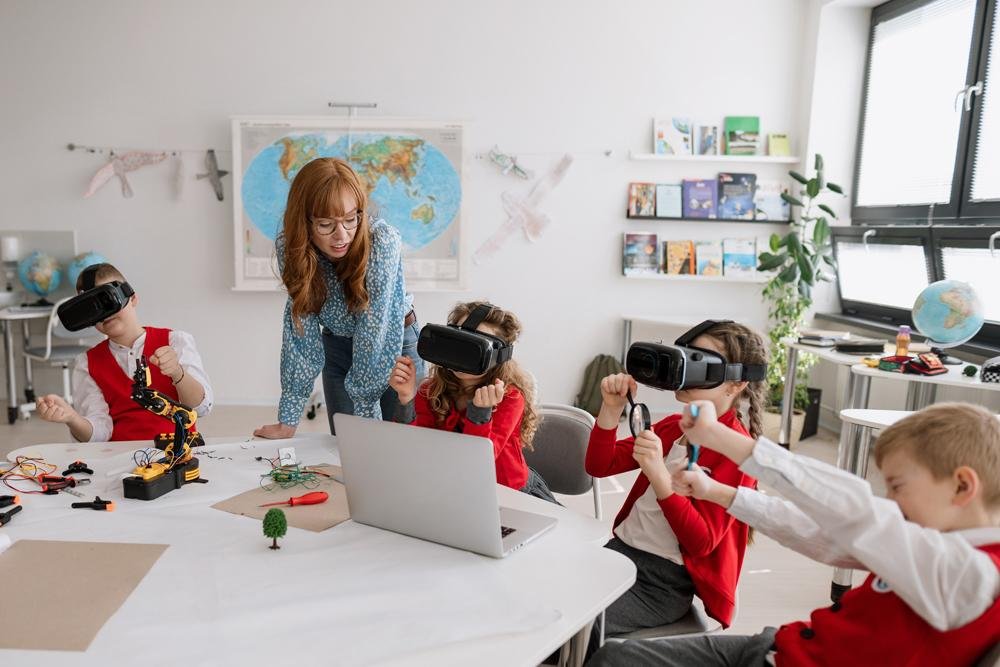
AAR/VR Lab
Overview
The AR/VR Lab allows students to experience immersive learning through Augmented Reality and Virtual Reality technologies. Complex concepts become easier to understand through visualization and simulation.
Learning Outcomes
- Spatial understanding
- Immersive learning
- Creative design thinking
- Digital content creation
Activities
- Virtual science experiments
- Historical site exploration
- 3D model visualization
- Interactive simulations
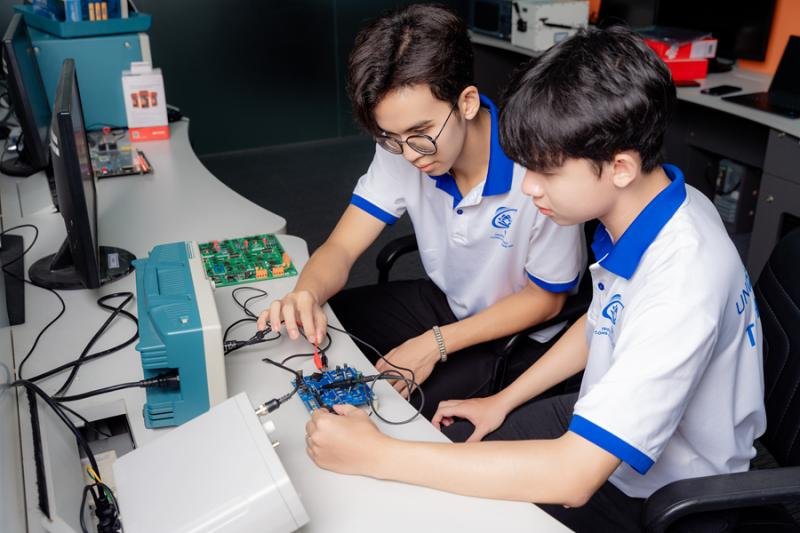
Electronics & Communication Lab
Overview
Students learn how electronic devices communicate through signals, networks, embedded systems, and communication technologies.
Learning Outcomes
- Electronics fundamentals
- Signal transmission concepts
- Communication systems awareness
- Embedded system basics
Activities
- Sensor projects
- Communication modules
- Circuit prototyping
- Wireless communication experiments
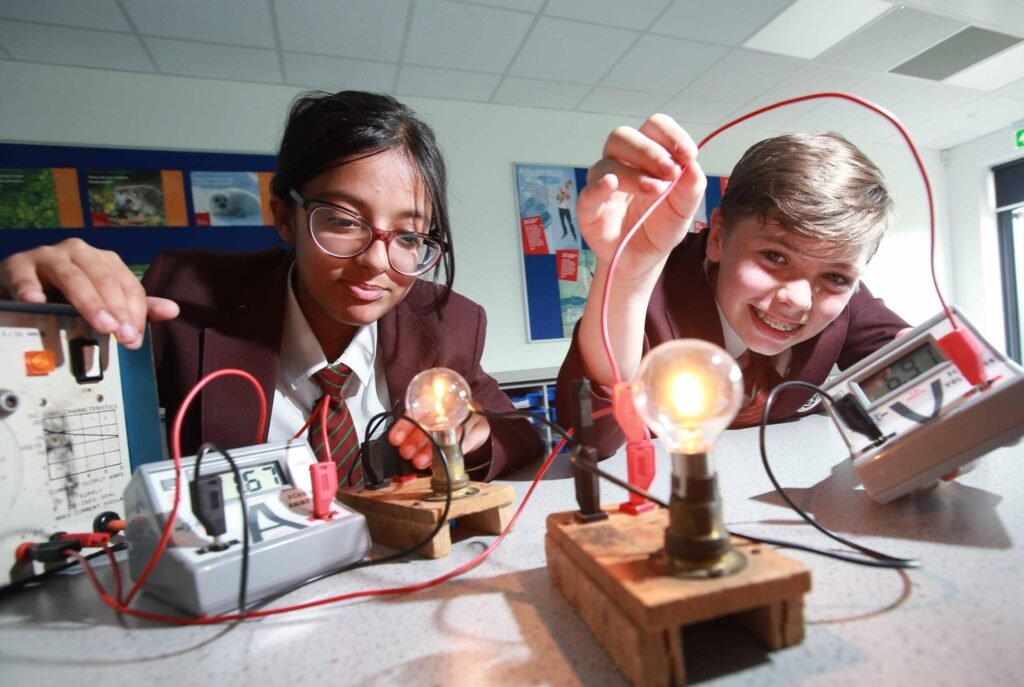
Electrical Lab
Overview
The Electrical Lab teaches students the fundamentals of electricity, circuits, power systems, and electrical safety through practical experiments.
Learning Outcomes
- Circuit understanding
- Electrical measurements
- Power concepts
- Safe handling of electrical systems
Activities
- Circuit building
- Voltage and current measurements
- Wiring demonstrations
- Power distribution models
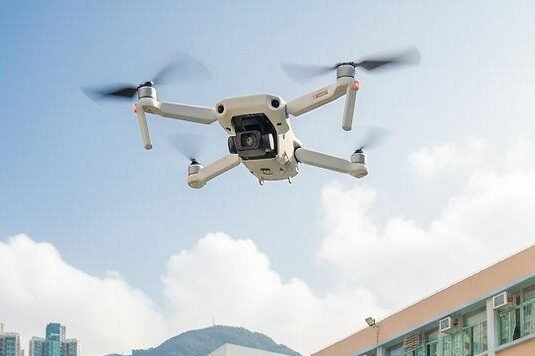
Drone Lab
Overview
The Drone Lab introduces students to drone design, assembly, flight operations, aerial imaging, and autonomous navigation technologies.
Learning Outcomes
- Flight principles
- Drone programming
- Mapping and surveying basics
- Safety and regulations
- Aerial data collection
Activities
- Drone assembly
- Flight training
- Aerial photography
- Autonomous flight missions
Electric Vehicle Lab
Overview
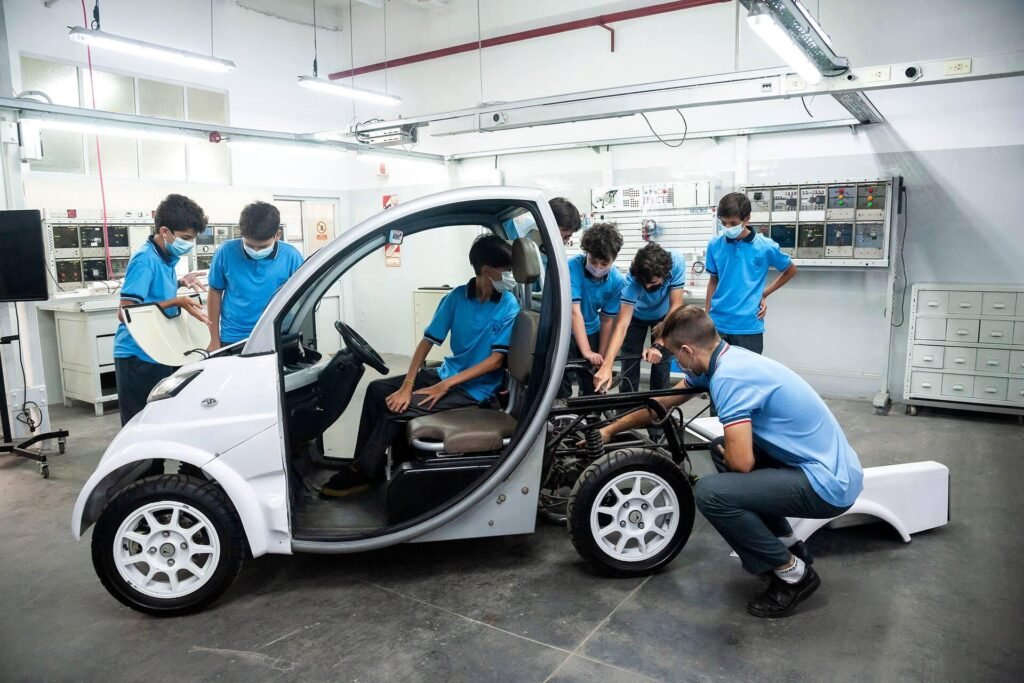
The EV Lab introduces students to electric mobility, batteries, motors, charging systems, and sustainable transportation technologies.
Learning Outcomes
- Understanding electric vehicles
- Battery technology awareness
- Sustainable transportation concepts
- Energy efficiency understanding
Activities
- Mini EV model assembly
- Battery testing
- EV drivetrain demonstrations
- Charging station simulations
Solar Lab
Overview
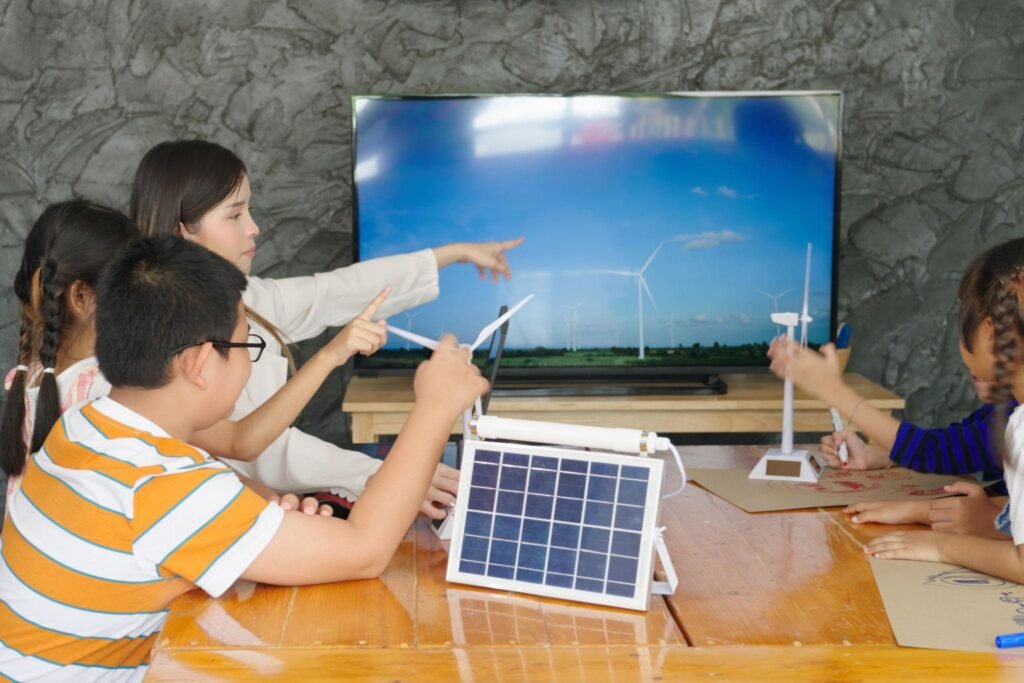
The Solar Lab helps students understand renewable energy and solar power generation through experiments involving solar panels and energy systems.
Learning Outcomes
- Renewable energy awareness
- Energy conversion concepts
- Sustainability education
- Environmental responsibility
Activities
- Solar-powered vehicles
- Solar charging systems
- Energy monitoring projects
- Renewable energy experiments
Space Lab
Overview
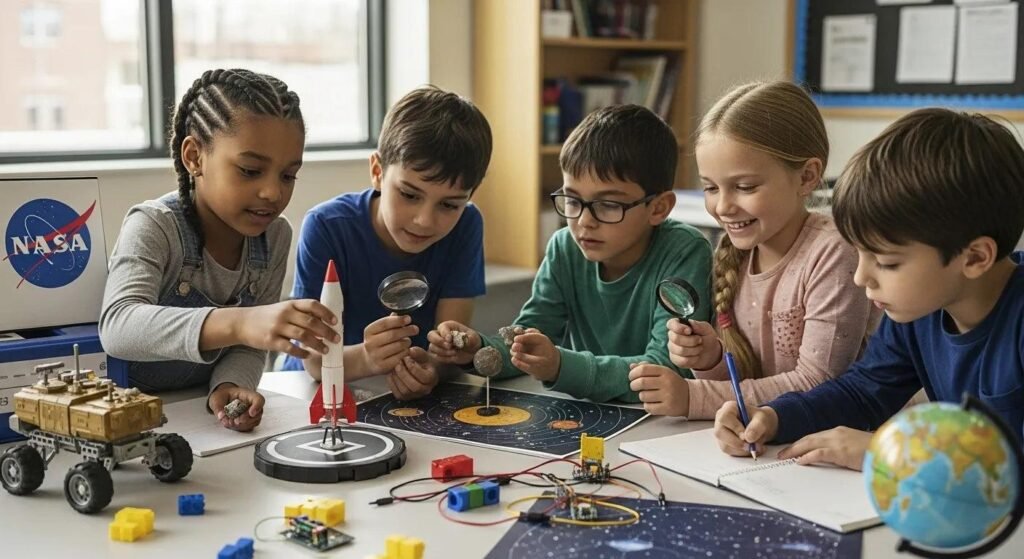
A Space Lab introduces students to astronomy, satellite technology, rocketry, space exploration, and planetary sciences. It inspires curiosity about space and scientific discovery.
Learning Outcomes
- Understanding the solar system
- Space science fundamentals
- Satellite applications
- Scientific observation
- Research skills
Activities
- Telescope observations
- Rocket model building
- Satellite simulations
- Planetary studies
ICT Innovation Lab
Overview
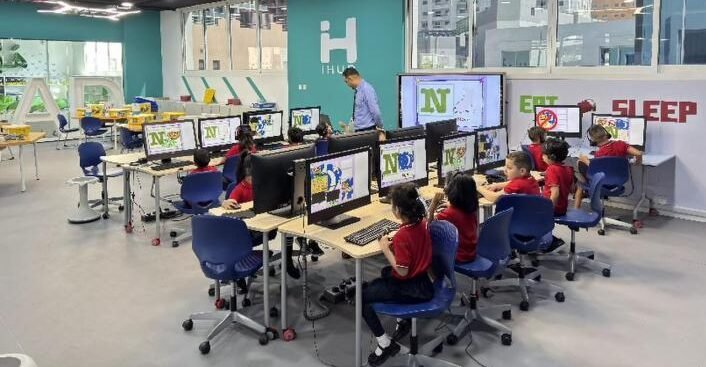
The ICT Innovation Lab combines computing, digital literacy, communication technologies, and creativity. Students learn how technology is used to solve real-world problems and create digital solutions.
Learning Outcomes
- Digital literacy
- Presentation skills
- Computational thinking
- Digital content creation
- Collaboration skills
Activities
- Website creation
- Digital storytelling
- App prototyping
- Multimedia projects
QuantPro Global’s K-12 Future Skills Labs provide students with hands-on exposure to emerging technologies, transforming traditional classrooms into innovation hubs where learners explore, create, design, and solve real-world challenges. These labs nurture critical thinking, creativity, collaboration, and technological fluency, preparing students for the careers of tomorrow while aligning with NEP 2020, STEM education, and experiential learning methodologies.